Technology and Instrumentation Trends Shaping Arthroscopy
18 June 2026 · By Arthroscopy Mauritius
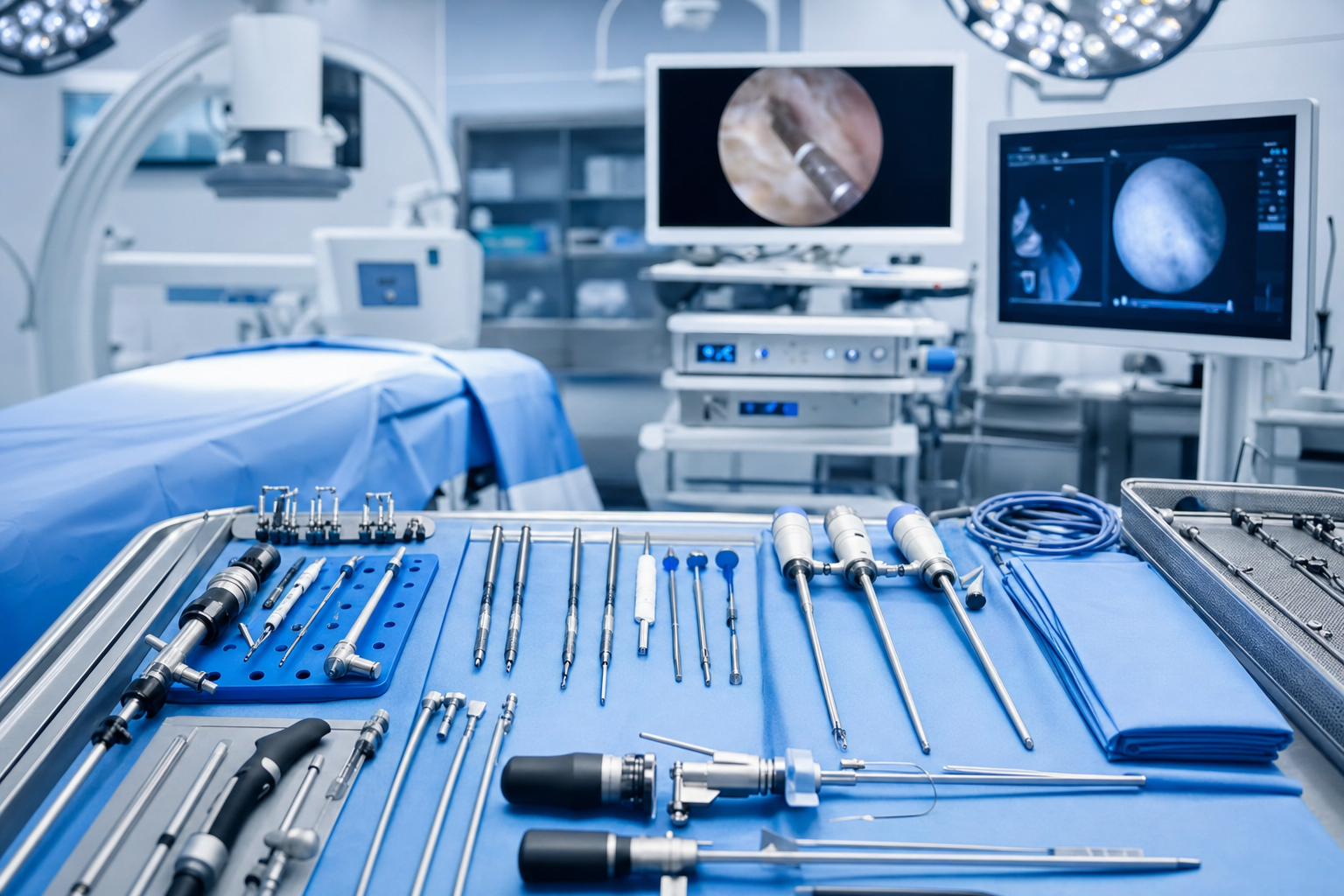
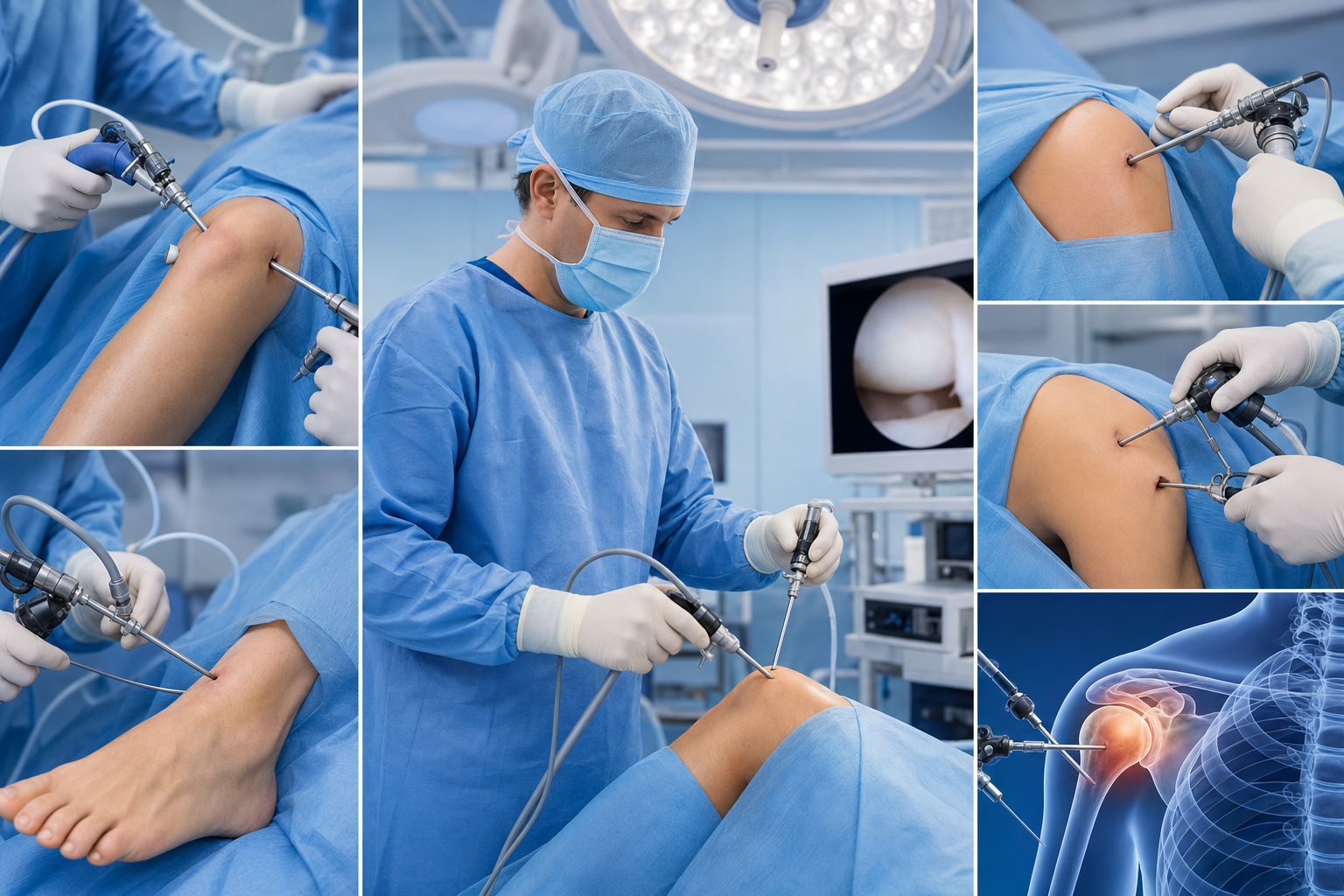
Arthroscopy is, at its heart, a technology-dependent discipline. The surgeon operates through a camera and a set of instruments, so advances in optics, implants, energy, and fluid management translate directly into what is possible inside the joint. Several trends are converging to reshape the arthroscopic toolkit. Understanding them helps clinicians and departments make sensible decisions about what to adopt, when, and why.
Visualisation
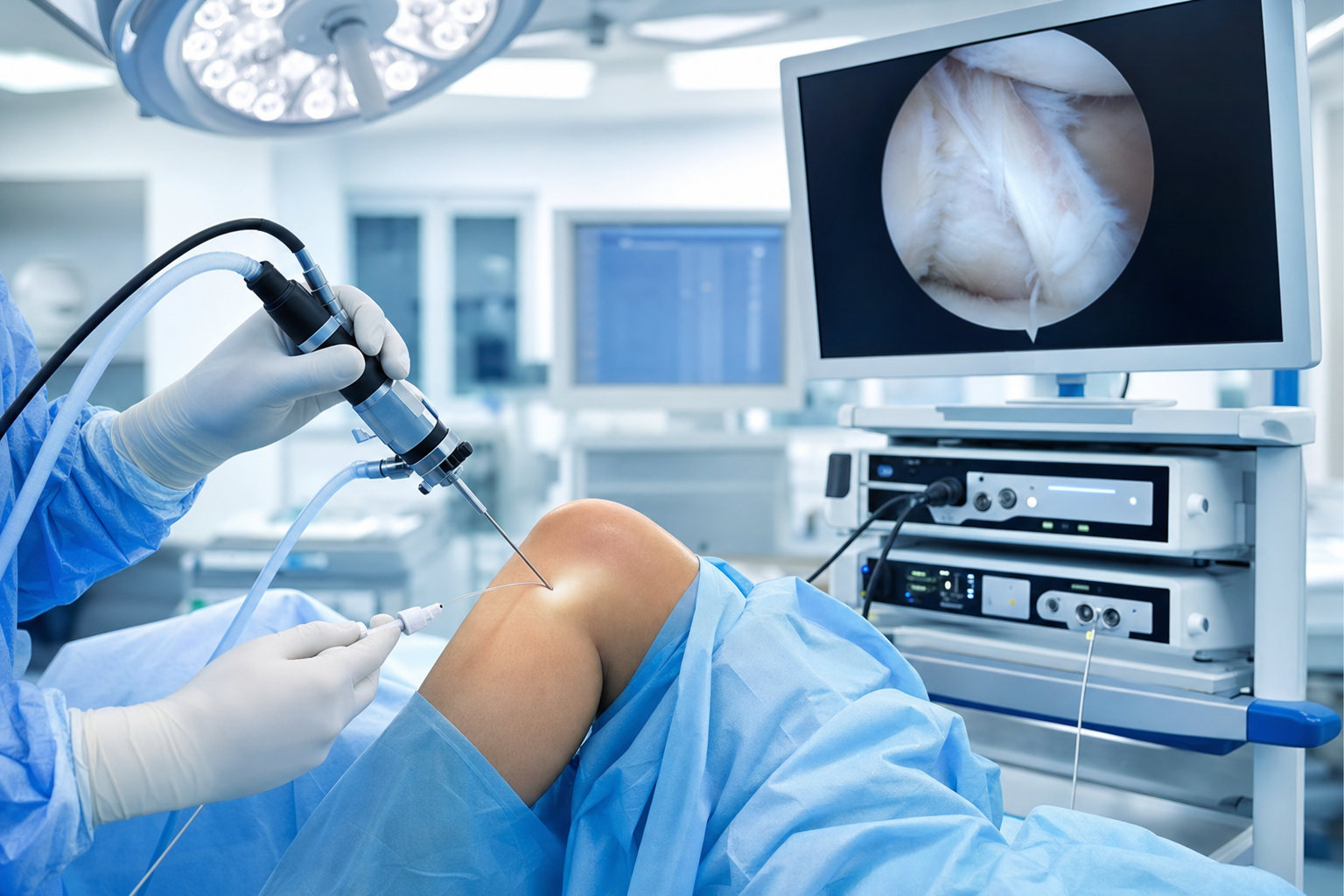
Image quality is the foundation of everything else. The move to 4K and high-dynamic-range imaging, combined with chip-on-tip sensors and improved LED illumination, gives a clearer and more detailed view of cartilage, labrum, and ligament than earlier systems. Better contrast helps distinguish healthy from damaged tissue and can make subtle pathology easier to identify. Looking further ahead, three-dimensional systems and early augmented-reality overlays that project anatomical or planning information into the surgical view are being explored, though these remain at an early stage and their clinical value is still being defined.
Single-use versus reusable scopes
One of the most practical debates in the field concerns the arthroscope itself. Single-use scopes have entered the market, offering a sterile, ready-to-use device for every case with no reprocessing and consistent image quality from the first case to the last. Reusable scopes, by contrast, carry a reprocessing burden, can degrade with wear, and require careful sterilisation. The trade-offs are genuine. Single-use devices reduce reprocessing workload and the small infection risk associated with imperfect cleaning, but they raise questions of per-case cost and, importantly, environmental waste. This tension between sterility and convenience on one side and sustainability on the other is now a real part of purchasing decisions, and several manufacturers have begun to respond with recycling and take-back programmes.
Fixation and implants
Implant design has trended toward smaller footprints and greater versatility. All-suture anchors use a much smaller bone tunnel than traditional solid anchors, preserving bone stock and allowing more fixation points, and they avoid leaving a hard body in the joint if fixation fails. Knotless constructs reduce the variability of hand-tied knots, and high-strength suture tape spreads load over a broader area of tissue. Biocomposite materials that are gradually replaced by bone have become common where a durable solid anchor is still preferred. The direction of travel is clear: fix tissue securely while disturbing native bone and cartilage as little as possible.
Energy and resection devices
Radiofrequency and controlled thermal devices allow precise ablation, coagulation, and tissue release with good haemostasis, which keeps the operative field clear. Motorised shavers and burrs continue to be refined for controlled resection. The recurring caution with all energy devices is thermal safety: heat dissipation and fluid management matter, because excessive local temperature can damage cartilage. Best practice pairs these tools with attentive technique rather than treating them as fully automatic.
Fluid management
Clear vision depends on a clean, distended joint, and modern fluid management pumps regulate pressure and flow to achieve this with less soft-tissue extravasation than older gravity systems. Controlled pressure improves visualisation while reducing swelling and the risk of fluid tracking into surrounding tissues, a particular consideration in tighter joints and longer cases.
Navigation, data, and the cautious frontier
At the edge of the field, navigation and computer assistance, along with early explorations of robotics and artificial intelligence, are beginning to appear. Potential applications include planning bony resection in procedures such as hip impingement surgery, guiding instruments, and assisting with documentation and image interpretation. These technologies are genuinely interesting but remain early, and their real-world benefit over an experienced surgeon's judgment is not yet established. They belong in the category of watch closely rather than adopt reflexively.
Sustainability as a design pressure
An emerging theme cutting across all of the above is environmental responsibility. Operating theatres generate significant waste, and the rise of single-use devices sharpens the question of how to balance sterility and convenience against their footprint. Reprocessing programmes, thoughtful device selection, and recycling initiatives are becoming part of the conversation. Sustainability is increasingly a design and purchasing criterion, not an afterthought.
Choosing wisely among tools
The unifying lesson is that instrumentation should serve the operation, not define it. Clearer optics, smaller anchors, safer energy, and better fluid control all genuinely help, and each is worth adopting where the evidence and the case mix justify it. The newest and most heavily marketed device is not automatically the best choice. Departments that evaluate technology on image quality, clinical outcomes, cost per case, and environmental impact, rather than novelty, will build an arthroscopic practice that is both modern and durable. The tools keep improving, but the discipline of choosing them thoughtfully is what turns technology into better care.
Sharing this with a patient? The plain-language guides live in the patient lane.
Cross over →Part of Mauritius' growing medical-technology network. Explore the wider Medtech medical-technology network.