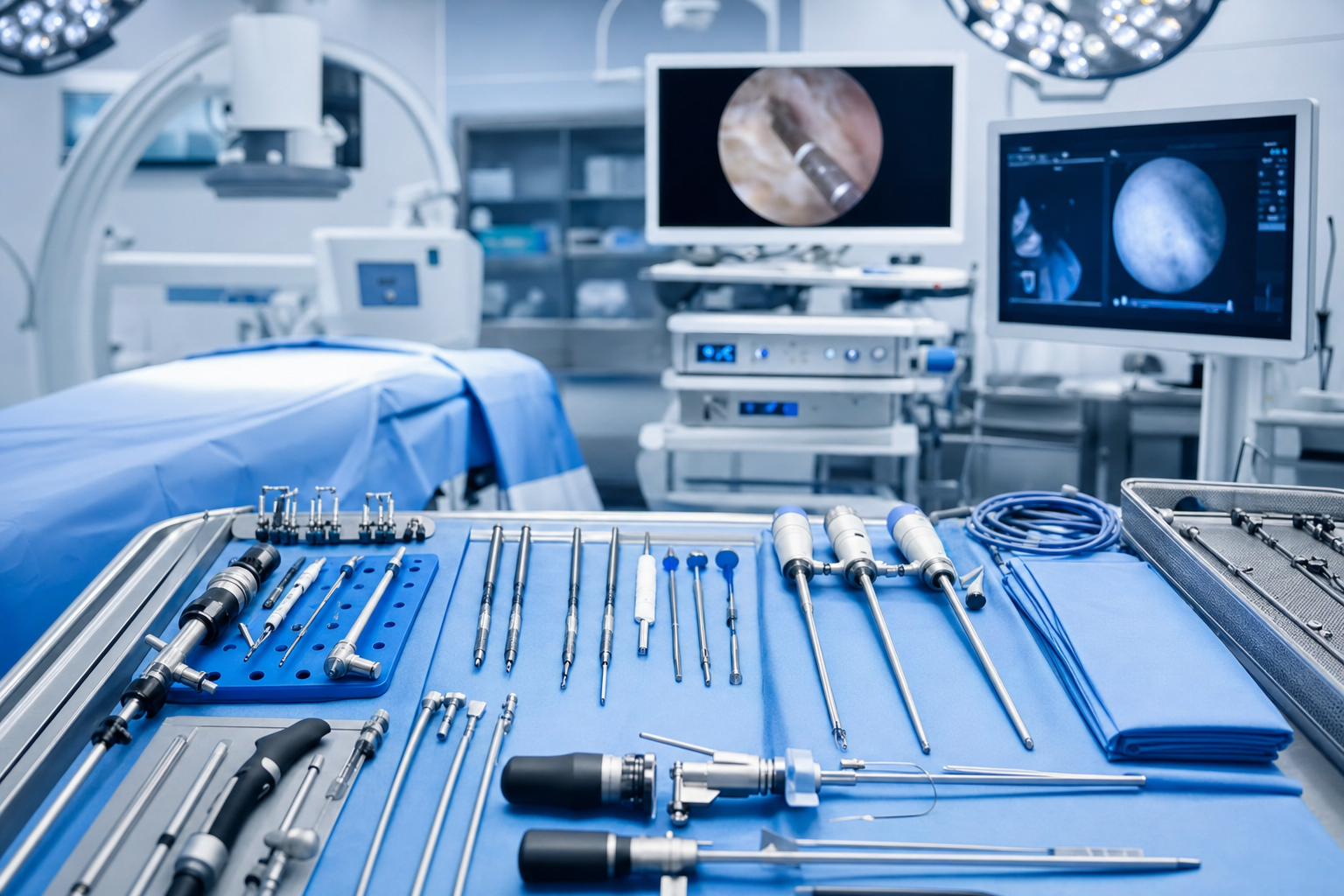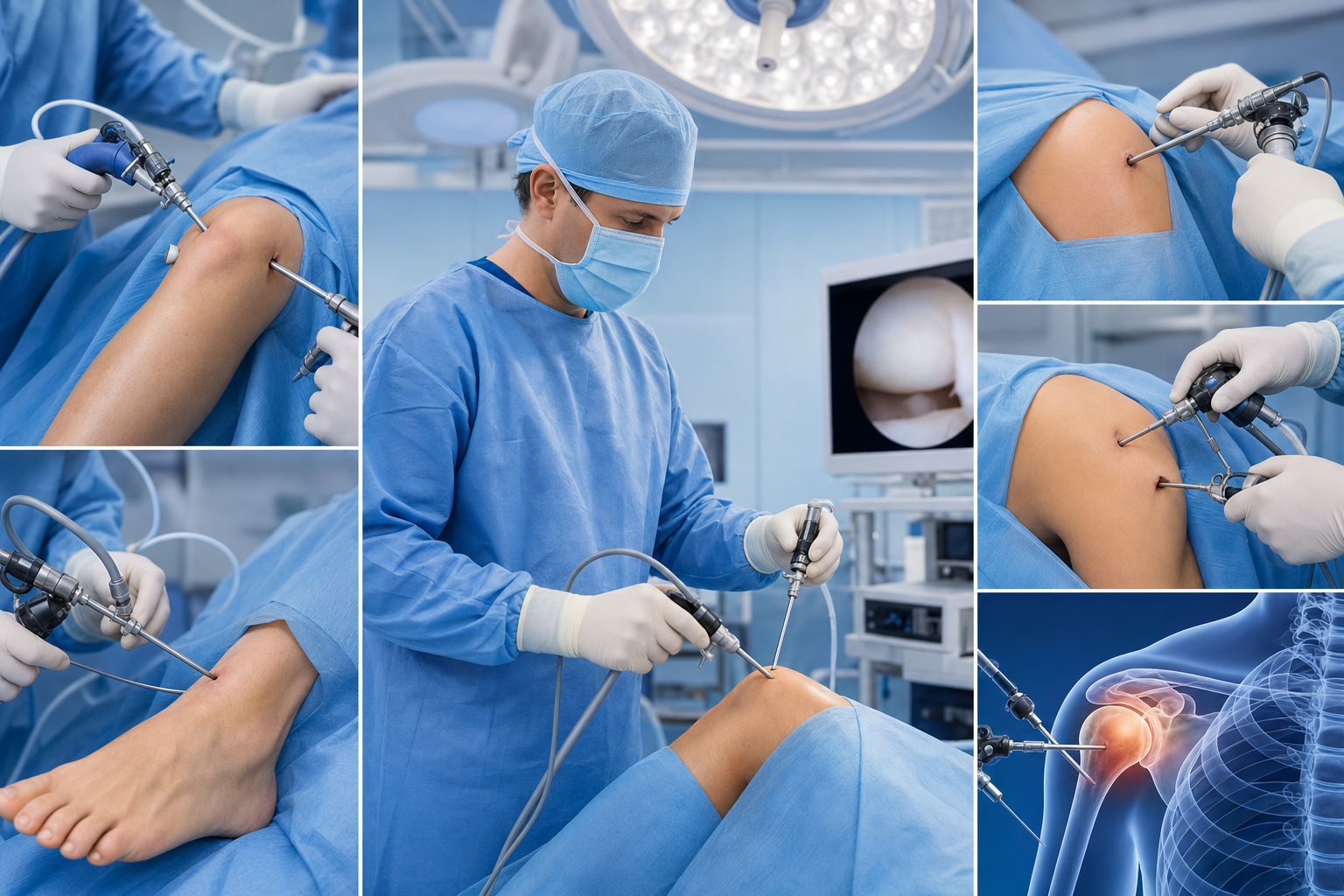
Best Practices in Modern Arthroscopy: Selection, Evidence, and Judgment
15 June 2026 · By Arthroscopy Mauritius
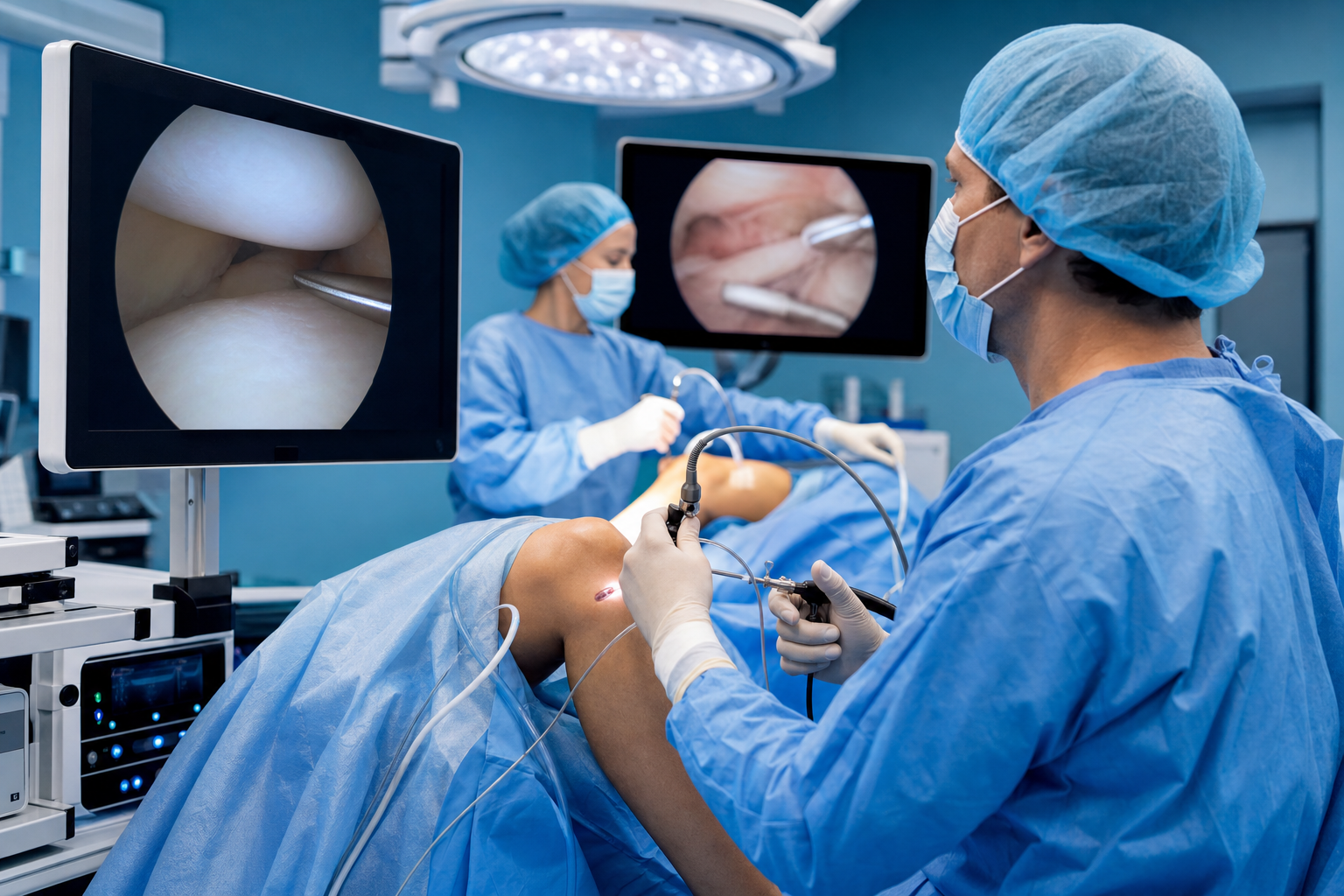
Arthroscopy has matured from a diagnostic novelty into one of the most widely performed groups of orthopaedic procedures in the world. That success brings responsibility. The instruments are better, the optics are sharper, and the learning resources are richer than ever, yet the single most important determinant of a good outcome remains unchanged: the right operation, performed for the right patient, for the right reason. Modern best practice in arthroscopy is less about heroic technique and more about disciplined selection, honest evidence appraisal, and tissue-preserving judgment.
Patient selection comes first
The clearest lesson of the last two decades is that arthroscopy is not a treatment for degenerative joint disease. Multiple randomized trials, including sham-controlled studies and long-term follow-up comparing exercise with surgery, have shown that arthroscopic debridement and partial meniscectomy offer no durable advantage over structured non-operative care for the degenerative knee. Long-term follow-up of exercise versus arthroscopic partial meniscectomy has reported that supervised exercise therapy remains noninferior for knee function at five years, with comparable radiographic progression. National and international guidance, including Choosing Wisely recommendations, now advises against arthroscopic debridement as a primary treatment for knee osteoarthritis.
This does not make arthroscopy obsolete. It sharpens its indications. Clear mechanical symptoms such as true locking or a blocked range of motion, loose bodies, acute traumatic and repairable meniscal tears in younger patients, symptomatic labral and ligament injuries, and irrigation of septic joints remain sound reasons to operate. The discipline lies in separating a mechanical problem the scope can fix from degenerative pain that it cannot.
Let the evidence lead, then apply judgment
Best practice means holding two ideas at once: respect for high-quality trial data, and recognition that trials describe populations while clinics treat individuals. A middle-aged patient with a degenerative tear and diffuse pain is usually best served by a first-line course of physiotherapy, load management, weight optimisation where relevant, and time. A younger patient with a displaced bucket-handle tear and a locked knee is a different clinical entity entirely. Documenting the reasoning, the imaging correlation, and the failure of conservative care where appropriate protects both the patient and the surgeon.
Shared decision-making and consent
Modern consent is a conversation, not a signature. Patients deserve a plain account of the likely benefit, the realistic recovery timeline, the chance that findings at surgery may differ from imaging, and the limits of what the procedure can achieve. Managing expectations before surgery does more to determine satisfaction than almost any intraoperative decision. Where the evidence is genuinely uncertain, saying so is part of good practice rather than a weakness.
Preserve tissue whenever possible
The philosophy of arthroscopy has shifted from resection toward preservation. Meniscal repair, when the tear pattern and tissue quality allow, protects load distribution and reduces the long-term osteoarthritis risk associated with removing meniscal tissue. Cartilage should be handled gently, and healthy structures left undisturbed. Repair over excision, and restraint over aggressive debridement, reflect current thinking across most joints.
Standardise the intraoperative process
Reproducible outcomes come from reproducible habits. A systematic diagnostic sequence, so that every compartment is inspected in the same order every time, reduces missed pathology. Careful portal placement protects neurovascular structures and preserves the capsule. Controlled fluid pressure keeps the field clear without unnecessary soft-tissue swelling. The surgical safety checklist, correct-site marking, and a documented antibiotic and thromboembolism risk assessment are baseline expectations, not optional extras.
Perioperative safety and enhanced recovery
Most arthroscopy is now day-case surgery. Ambulatory pathways built on regional or local anesthesia, opioid-sparing multimodal analgesia, and clear discharge criteria improve both safety and the patient experience. Venous thromboembolism prophylaxis should follow individual risk assessment rather than reflex protocol. Clear written aftercare instructions, defined red flags, and an accessible route back to the team reduce avoidable readmissions.
Measure what you do
A mature arthroscopic practice looks at its own results. Patient-reported outcome measures, complication tracking, and participation in national registries where they exist turn individual experience into learning. Registries in hip preservation and other areas have already reshaped understanding of who benefits from surgery. Auditing indications, not just complications, is one of the most useful things a unit can do.
The through-line
Better technology has not replaced clinical reasoning; it has raised the premium on it. The surgeon who selects carefully, counsels honestly, preserves tissue, standardises the technical steps, and measures the results will consistently outperform the one chasing the newest device. Modern arthroscopy rewards judgment, and best practice is simply judgment made systematic.
Sharing this with a patient? The plain-language guides live in the patient lane.
Cross over →Part of Mauritius' growing medical-technology network. Explore the wider Medtech medical-technology network.