Risks, safety, and questions to ask your surgeon before arthroscopy
14 June 2026 · By Arthroscopy Mauritius

Risks, safety, and questions to ask your surgeon before arthroscopy
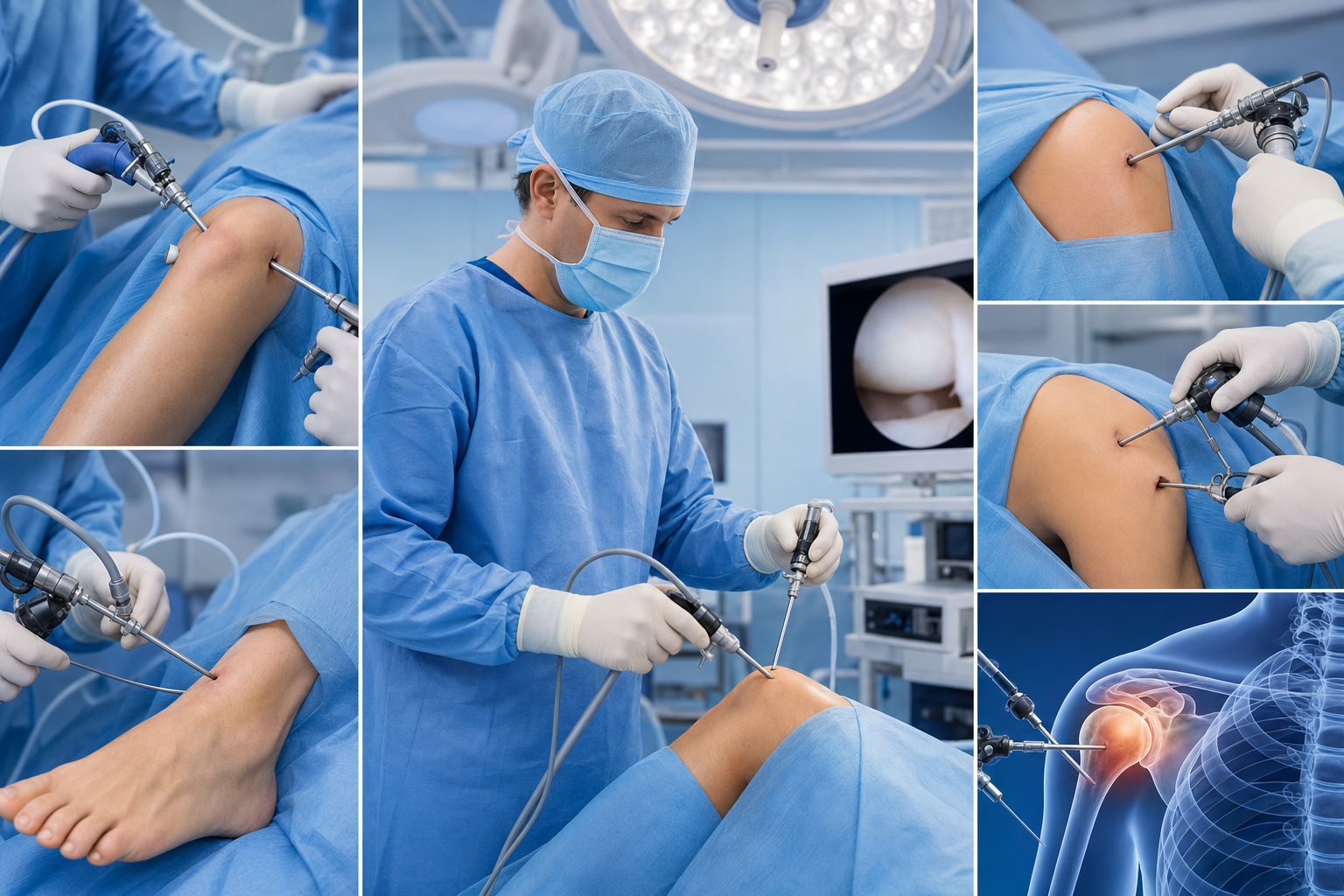
Deciding to have surgery, even keyhole surgery, deserves careful thought. Arthroscopy is one of the most common and well established orthopaedic procedures, and it is generally very safe. Still, no operation is completely without risk, and being well informed is part of giving proper consent. This article explains the safety picture honestly, sets out realistic expectations, and gives you a clear list of questions to bring to your appointment.
How safe is arthroscopy
For most people, arthroscopy is a low risk procedure with a smooth recovery. Because it uses small incisions rather than one large one, it tends to disturb less tissue than open surgery, and serious complications are uncommon. That said, safe does not mean risk free, and a good surgeon will talk you through the possibilities openly.
Common and usually minor effects
Some things are expected rather than true complications, and they settle with time:
- Swelling, bruising, and soreness around the joint
- Stiffness in the early weeks, which improves with physiotherapy
- Temporary numbness or tingling near the small wounds
These are a normal part of healing for many people and are not a cause for alarm on their own.
Less common risks
More significant complications are uncommon, but it is right to know about them:
- Infection in the joint or wound
- Bleeding into the joint
- Blood clots in the leg (deep vein thrombosis), which can, rarely, travel to the lungs
- Injury to nearby nerves or blood vessels
- Ongoing stiffness, or in the shoulder a frozen shoulder
- Risks related to anaesthesia
- A repair that does not fully heal, or symptoms that are not completely relieved, sometimes needing further treatment or surgery
Your team takes steps to reduce these risks, from sterile technique and antibiotics where appropriate to advice on keeping mobile after surgery. Knowing the warning signs also helps problems get caught early.
Realistic expectations matter
Perhaps the most important part of consent is understanding what arthroscopy can and cannot do for your particular problem. Keyhole surgery can be excellent for a clear, mechanical issue such as a torn cartilage that catches or locks the joint, or an unstable shoulder.
It is far less reliable for some other conditions. For wear and tear arthritis of the knee, for example, the general consensus among experts is that arthroscopy often does not provide lasting benefit, and that exercise, weight management, and other treatments are usually more helpful. If arthritis is the main issue, it is worth a frank conversation about whether arthroscopy is really the right choice, or whether another path would serve you better.
Going in with clear, realistic expectations is one of the best predictors of feeling satisfied with your result.
Questions worth asking your surgeon
You have every right to understand your care. Bringing a written list helps, and there is no such thing as a silly question. Consider asking:
About the decision:
- What exactly is the problem inside my joint, and what will you do about it?
- Why is arthroscopy the right option for me, and what are the alternatives, including not having surgery?
- What is likely to happen if I wait or choose not to have it?
About the procedure:
- What type of anaesthetic will I have, and why?
- Is this a day case procedure, and how long will it take?
- What are the main risks in my specific case?
About recovery:
- How much weight can I put on the joint afterwards, and will I need crutches, a sling, or a brace?
- When can I expect to return to work, driving, and sport?
- What does the physiotherapy plan look like, and how important is it?
About outcomes and experience:
- How much improvement can I realistically expect, and how long might it last?
- What happens if the procedure does not relieve my symptoms?
- How often do you perform this operation?
Warning signs after surgery
Whatever procedure you have, contact your surgical team promptly, or seek urgent care, if you notice:
- A fever or chills
- The wound becoming hot, red, swollen, or leaking fluid
- Pain or swelling that is getting worse rather than better
- New numbness or tingling
- Calf pain or swelling, shortness of breath, or chest pain, which can signal a blood clot
The bottom line
Arthroscopy is a trusted, minimally invasive procedure that helps a great many people, and its risks are generally low. The best way to feel confident is to understand both what it can achieve for your particular problem and where its limits lie. Ask questions until you feel genuinely informed, be honest with your surgeon about your goals, and decide together. That is what good, shared consent looks like, and it is the foundation of a good outcome.
Are you a clinician or surgeon? Read the technique-level pieces in the clinician lane.
Cross over →Part of Mauritius' growing medical-technology network. Explore the wider Medtech medical-technology network.